
Fast-Acting Treatments for Stubborn Dark Circles
Stubborn dark circles require cause-based care, from caffeine patches for puffy under-eyes to professional options for structural shadows.
Key Takeaways
- Dark circles may be pigmented, vascular, structural, or mixed, so the most suitable treatment depends on the cause.
- Caffeine eye products may help reduce fluid retention associated with under-eye puffiness.
- Persistent pigment or anatomy-driven shadows may call for cause-specific approaches.
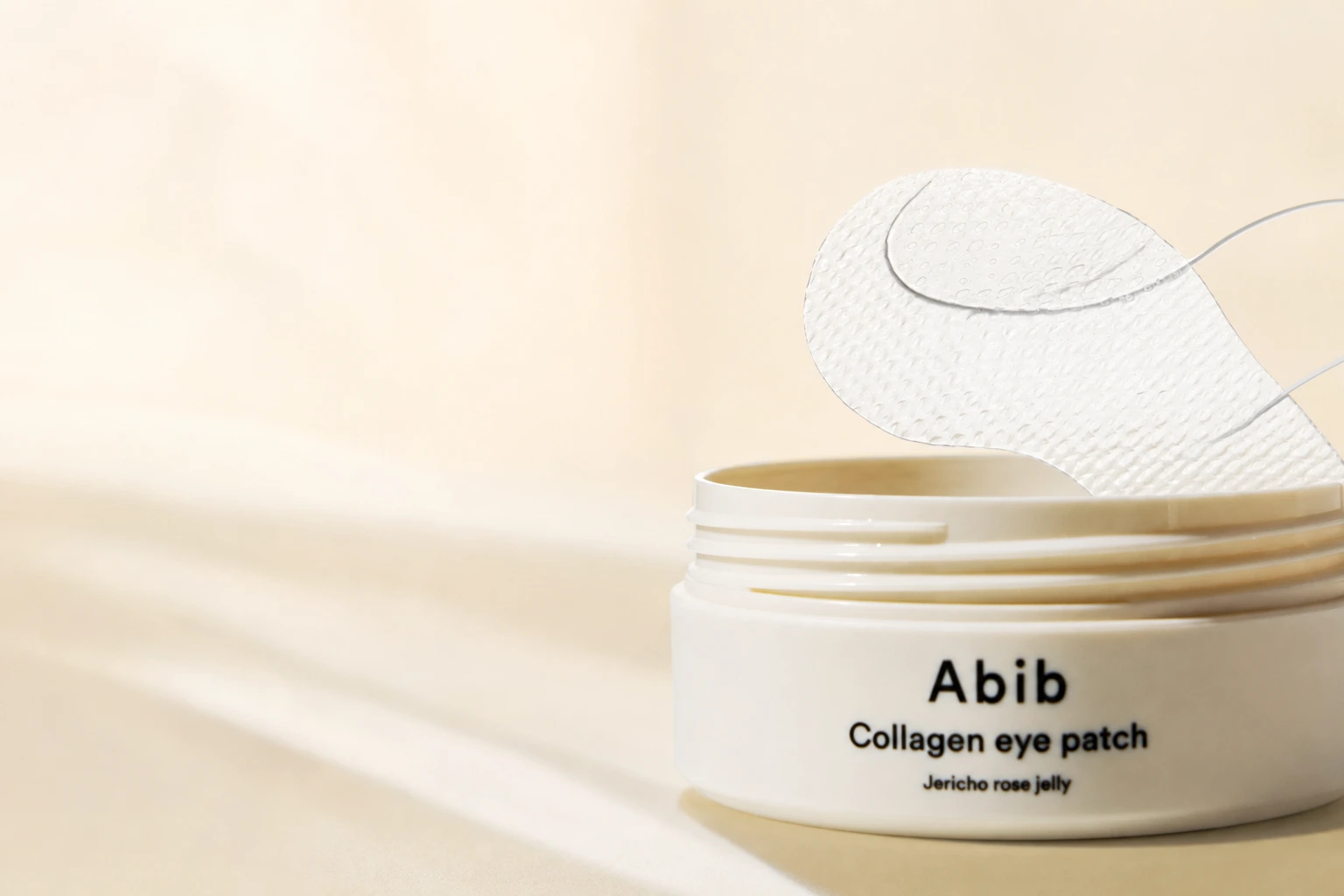
This evidence-based synthesis combines findings from clinical reviews with Abib’s official product information. A chilled caffeine hydrogel patch is most relevant when puffiness, dehydration, or tired-looking skin makes under-eye darkness appear more pronounced.
Dark circles caused by melanin or facial structure generally do not respond to the same short-term approach. Identifying the dominant cause helps set realistic expectations and prevents a surface treatment from being mistaken for a correction to an anatomical concern.
Why do stubborn dark circles need a cause-based approach?
Dark circles are not classified as a single, uniform concern. A 2023 clinical review groups them into four subtypes: pigmented, vascular, structural, and mixed (2023 clinical review). That framework offers a practical reason to look beyond appearance alone rather than assume every case has the same explanation.
The classification does not, by itself, establish the precise cause of an individual case. Instead, it provides a vocabulary for assessment:
| Classification | What the evidence supports |
|---|---|
| Pigmented | Recognized as a distinct subtype |
| Vascular | Recognized as a distinct subtype |
| Structural | Recognized as a distinct subtype |
| Mixed | Recognized as a distinct subtype |
Mixed presentations have been prominent in some published research. A Taiwan study reported mixed-type periorbital hyperpigmentation in 78% of cases, while a Korean study of 100 patients found 54% mixed-type and 35% vascular cases (2021 review). These findings describe those study populations and should not be read as universal prevalence estimates.
Lack of sleep is also not a complete default explanation. A 2021 review describes the assumption that periorbital hyperpigmentation is caused by poor sleep or fatigue as controversial (2021 review). For stubborn dark circles, the more measured approach is to avoid assuming one cause and begin with the possibility that the presentation may be pigmented, vascular, structural, or mixed.
How can you identify what is causing your dark circles?
Pigmented under-eye dark circles can reflect increased epidermal or dermal melanin.
Structural darkness may improve or even appear to disappear under direct lighting, according to a 2023 clinical review. Structural causes can include tear-trough depression, fat pseudoherniation, skin laxity, and edema. Pigmented circles can reflect increased melanin within the epidermis or dermis. They may look brown or gray-brown and usually require consistent, carefully tolerated care rather than a single short application.
Vascular or puffiness-related darkness may look blue, purple, red-brown, or more shadowed after waking. Cooling and de-puffing care are most relevant when swelling visibly contributes to the dark appearance.
Use these observations as practical clues:
- Darkness that becomes less visible in direct front lighting may have a structural component.
- Brown discoloration that remains relatively stable in different lighting may have a pigmentary component.
- Darkness paired with morning swelling may have a puffiness or vascular component.
- Features from multiple groups may indicate a mixed presentation.
Sudden, pronounced, asymmetric, irritated, or otherwise concerning under-eye changes warrant assessment by a qualified medical professional.
Which topical options can refresh puffy or discolored under-eyes quickly?
Caffeine is the most directly relevant topical option in the available evidence. A 2024 peer-reviewed review reports that caffeine eye products can reduce fluid retention and support vasculature relevant to puffiness (review of popular eye-care ingredients).
A randomized, placebo-controlled study cited in a separate clinical review found that a caffeine gel reduced lower-eyelid edema and pigmentation (clinical review). This makes caffeine an ingredient of interest for puffy or discolored under-eyes, although the evidence does not establish that every caffeine formula will produce the same result.
Signal peptides have a different, more skin-supportive role. The clinical review reports that these peptides can stimulate fibroblast activity associated with type I and III collagen and fibronectin production (clinical review). That evidence supports considering peptides for an eye-area routine, but it does not establish a rapid effect on edema or pigmentation.
For an at-home routine, compare the documented ingredients in any eye-area product with the concern you want to address. Caffeine has evidence relevant to fluid retention, edema, and pigmentation, while signal peptides are associated with fibroblast activity and components involved in skin support.
Abib Vegan Collagen eye patch Jericho rose jelly
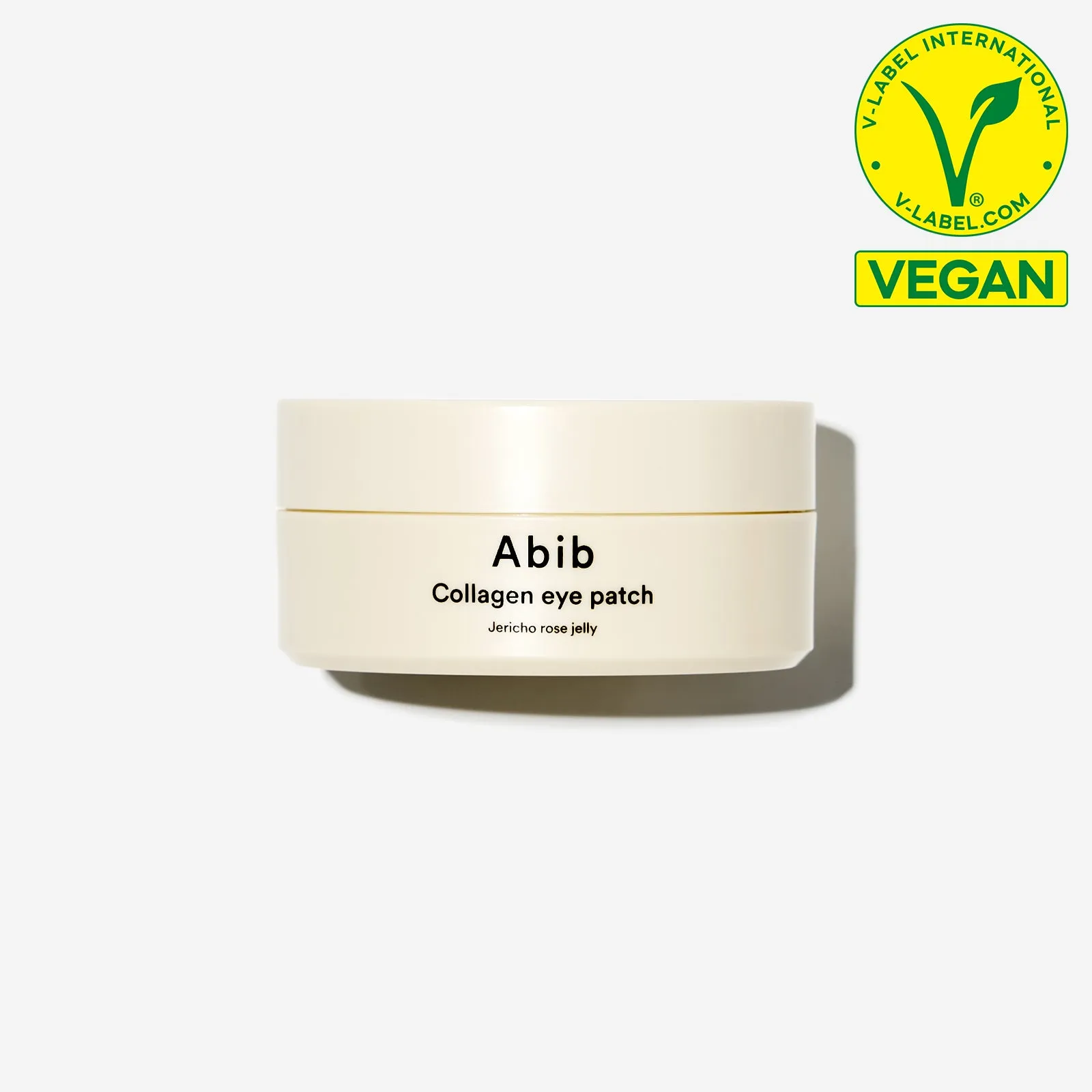
Vegan Collagen eye patch Jericho rose jelly
Explore this eye-area product as part of your at-home routine.
Keep expectations tied to the ingredient evidence rather than assuming that every eye product works alike.
When may in-office treatment work faster?
For tear-trough-related structural shadowing, clinical reviews identify dermal fillers as one possible in-office option (source).
That does not establish that in-office treatment will work faster in every case. Instead, it offers a procedure-based option specifically discussed in relation to this type of shadowing.
How should you match treatment to the underlying cause?
A cause-based routine begins by identifying what is behind the dark appearance rather than defaulting to the same product or technique for every case. A 2021 review concludes that treatment for periorbital hyperpigmentation depends on its etiology and may include topical, physical, or surgical options (review of periorbital hyperpigmentation, 2021).
- Observe the dominant pattern and note when or how the appearance changes.
- List the products or techniques you have already tried and whether they made a noticeable difference.
- Avoid assuming that one popular eye-care step is appropriate for every dark-circle concern.
- Consider the available treatment categories—topical, physical, or surgical—in relation to the suspected etiology (review of periorbital hyperpigmentation, 2021).
- Seek qualified assessment when the cause is unclear or when you are considering a physical or surgical option.
For a morning or pre-event routine, choose a conservative eye-care step that suits your immediate goal and follow its directions for use. Treat that step as part of a cause-based plan, not as proof that you have identified the underlying issue.
Longer-term planning should remain tied to etiology. The available review supports choosing among topical, physical, and surgical approaches according to the cause rather than presenting one treatment as universally appropriate (review of periorbital hyperpigmentation, 2021).
FAQS
Frequently Asked Questions
What is the fastest over-the-counter option for puffy dark circles?
Treatment for periorbital hyperpigmentation depends on etiology and may include topical, physical, or surgical approaches, so the appropriate choice begins with the cause (review of periorbital hyperpigmentation, 2021).
Can an eye patch remove deep tear-trough dark circles?
Treatment should be matched to etiology, with topical, physical, or surgical options considered as appropriate (review of periorbital hyperpigmentation, 2021).
Are stubborn dark circles always caused by poor sleep?
Do not assign a cause from appearance alone. The review states that treatment for periorbital hyperpigmentation depends on etiology, making cause identification central to treatment planning (review of periorbital hyperpigmentation, 2021).
Can refrigerated hydrogel patches help dark circles?
The available evidence does not specifically evaluate refrigerated hydrogel patches. A patch is a topical step, while the broader treatment pathway may involve topical, physical, or surgical options selected according to etiology (review of periorbital hyperpigmentation, 2021).
How can I tell if my dark circles are structural?
The provided evidence does not offer a visual self-test for structural dark circles. If the cause is uncertain, consider qualified assessment before selecting among topical, physical, or surgical approaches, because treatment depends on etiology (review of periorbital hyperpigmentation, 2021).